Mapping Transformative Schools: From Punishment to Promise
[Download PDF]
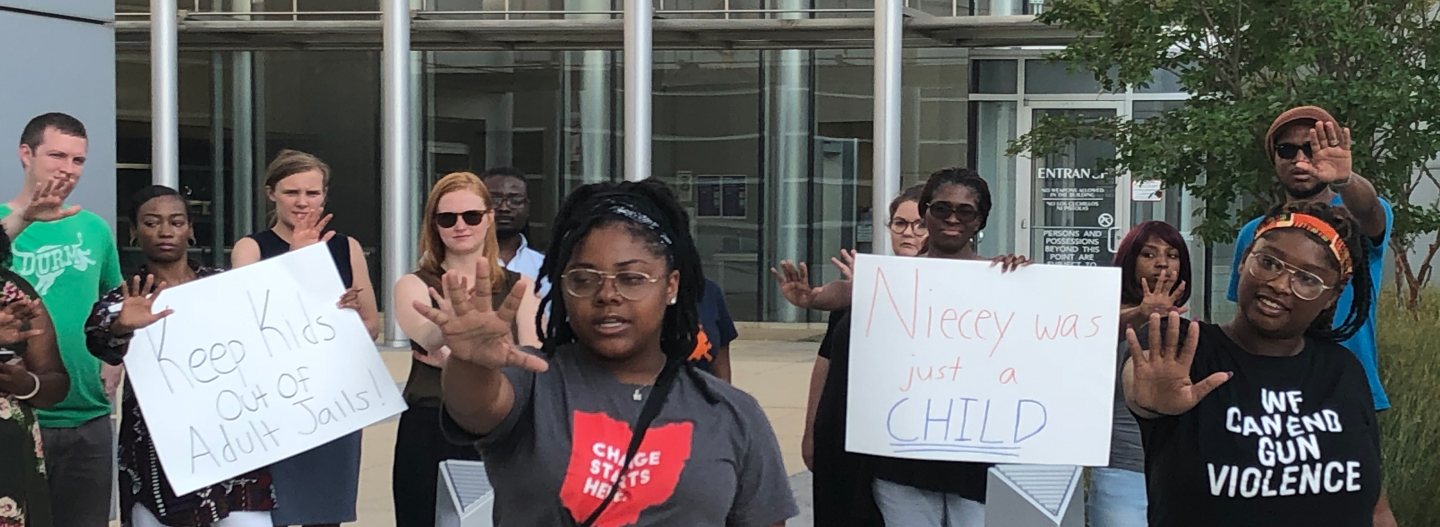
Realizing true youth justice means ensuring youth live in a well-resourced ecosystem of community-based, trauma-informed and healing-centered responses to youth needs that create a pathway to opportunity, success and thriving for young people. An integral part of that ecosystem is a positive school environment that honors who young people are, pushes them to do their best, helps them when they encounter challenges, and extends grace when they miss the mark. When young people have access to positive school environments, they are better equipped to come to school with enthusiasm for learning, discover their dreams and passions, find ways to positively impact their school environment and learn from mistakes when they arise.
Unfortunately, a “surveillance” culture permeates too many of today’s schools where students are penalized instead of encouraged to achieve their highest goals. Black, Brown, Indigenous, LGBTQIA+, and disabled students more often experience these types of surveillance school environments, which cause young people stress, trauma, and alienation and detract from their ability to learn and grow. Ultimately, it can lead students to become so disaffected that they drop out of school or are forced out through suspension, expulsion, or arrest.
In NJJN’s latest policy platform, Mapping Transformative Schools: From Punishment to Promise, we provide recommended steps all stakeholders can take to transform schools into cultures of opportunity and away from cultures of surveillance and punishment, including our central recommendation:
Our nation’s schools require a transformational culture shift to create an environment where all students feel honored and supported by teachers, staff, and school administration. School systems must prioritize investing in inclusive, trauma-informed, culturally responsive schools that create a supportive and connected school climate and community. They must end the practices and policies that lead to the easy criminalization of children, particularly Black, Brown, Indigenous, disabled, and LGBTQIA+ students.
Mapping Transformative Schools is grounded in the voices of young people who share their ideas of what a positive school environment should look like versus the reality of what they experienced. Their stories, curated with the latest research and policy examples from jurisdictions across the country, offer key lessons for creating the positive school environment students deserve.

Latest News

NJJN As advocates steeped in the work, much of our time is focused on pushing back against policies and practices that harm youth. As we fight to end over policing, abuse in facilities, and close harmful prisons, it is...

NJJN is committed to doing the hard work of anti-racism in our youth justice movement building, because our reform work is insufficient if we do not confront the racism inherent in the system. During our recent Virtual Forum held...

Courtney M. McSwain and Alyson Clements The Nation Juvenile Justice Network’s campaign to increase the age a child can be detained, committed, or prosecuted, – more broadly characterized as minimum age laws – continues to yield critical wins. In...
Latest Publications
5 Facts to Know About Racial Disparities
All documents from the racial justice toolkit in one place.
NJJN's 2018 policy platform on protecting immigrant youth.