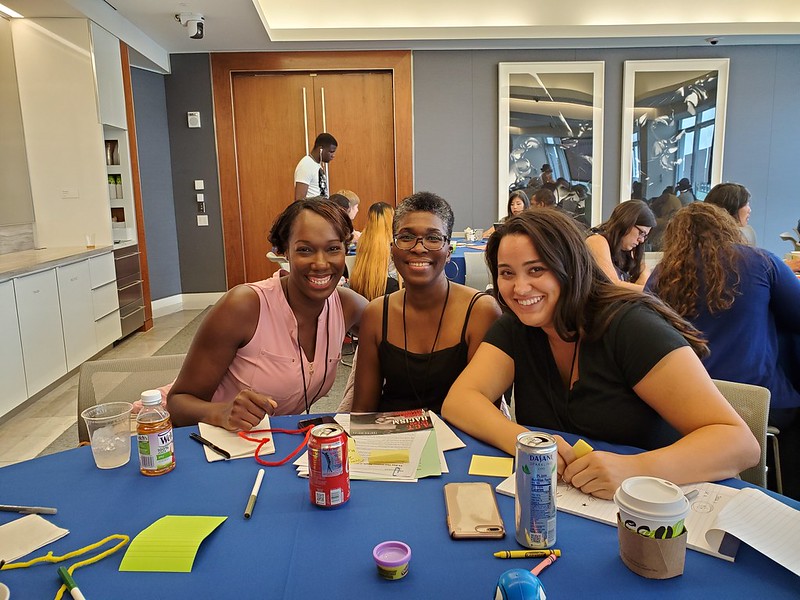
The Youth Justice Leadership Institute (“YJLI”) deepens the capacity of Black, Indigenous, Latine, Middle Eastern and North African, Asian and Pacific Islander, advocates, organizers, healers, and creatives who hold racially marginalized identities and are committed to are committed to abolishing harmful systems and investing in community models of care. YJLI is a 6-month interactive fellowship, from June to December of 2026, that provides instruction in healing justice and leadership curriculum, relationship building, coaching, professional development and networking resources. Upon completion of the fellowship, fellows are welcomed into an alumni-base to receive lifelong support, access to network resources, and connection to additional opportunities to continue building their skills.
Recognizing that those most impacted by systems of oppression need access to individual and collective healing opportunities, YJLI is grounded in healing justice for BIPOC leaders. YJLI connects advocates to mentors, cultivates a supportive network amongst cohorts and alumni, facilitates advocacy learning opportunities, and shares individual and communal healing opportunities.
Meet our 2026 Fellows!
Our 2026 Youth Justice Leadership Institute fellows bring a wealth of experience in restorative and healing justice, policy advocacy, youth leadership development and community activism. Throughout the year these fellows will learn and grow their leadership skills together while bringing new knowledge and growth into their work. Each fellow will also be working on an advocacy project to move youth justice toward healing and transformation across the country!
Learn more about our 2026 fellows:
Marvin Bing
Marvin Bing (he/him) is the Founder of Kyndred, a five-pillar platform built to redesign America’s child welfare and juvenile justice systems through organizing, creativity, and systemic change. Kyndred creates a…
Read MoreLV (Lord-Vincent) Crutcher
LV (Lord-Vincent) Crutcher (he/him) is the Founder of The Namaste Collective, a healing-centered wellness and education organization based in Portland, Oregon. Drawing from his own experience navigating foster care and…
Read MoreJeremy Page
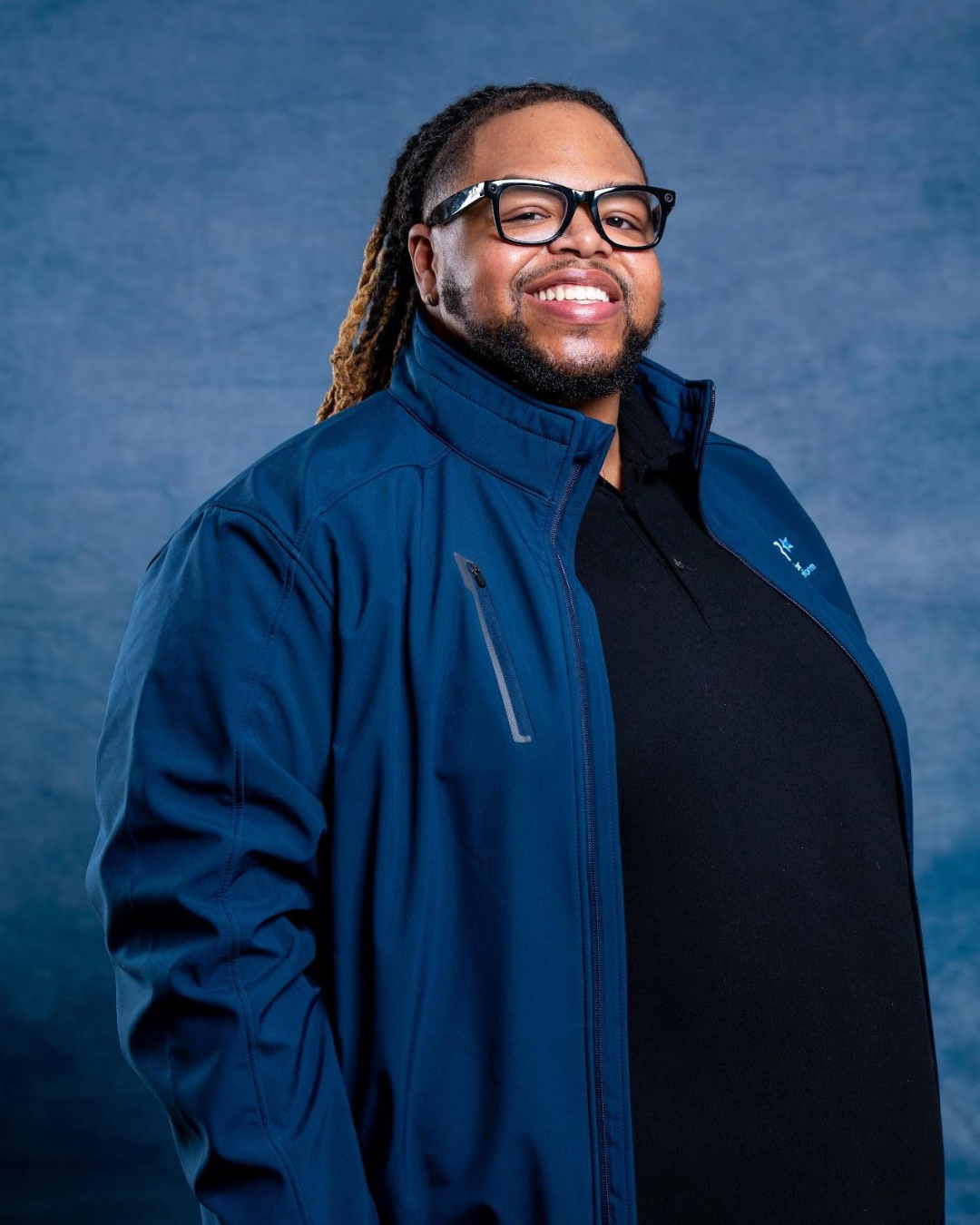
Jeremy Page (he/him) is the Justice Reform Program Manager at the National Institute for Criminal Justice Reform, where he coordinates communication, technical assistance, and training for juvenile justice initiatives while…
Read MoreJorge Gütirón
Jorge Gütirón (he/him/él) comes with over 10 years of experience in college access, student support, and educational advocacy. He currently works as a College Liaison, where he supports incarcerated and…
Read MoreAnaum Virani
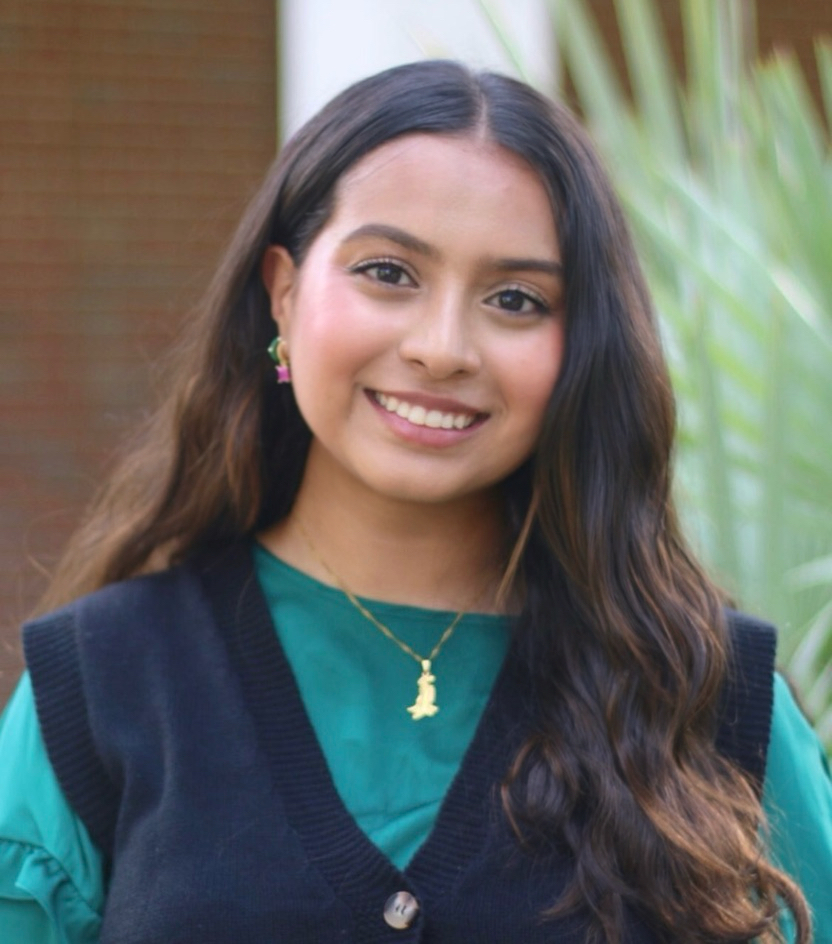
Anaum Virani (she/her) is a graduate of the University of Florida, where she earned a B.A. in Religion and Political Science. As a student, she held multiple leadership roles, including…
Read MoreDarian Appleton
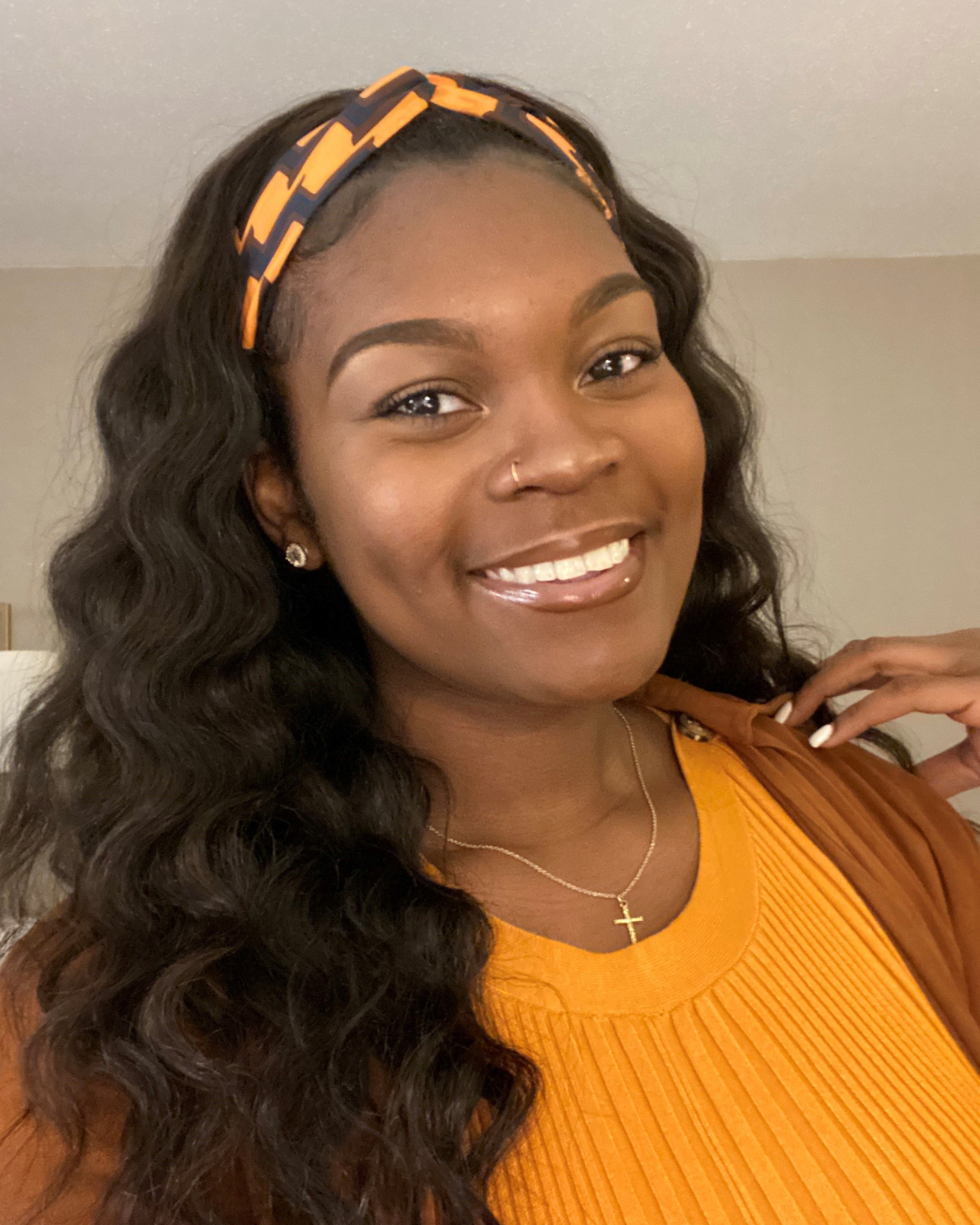
Darian Appleton (she/her) is a passionate leader and youth justice advocate with experience in integrated behavioral health, program development, and project management. Drawing on her academic background in criminology, psychology,…
Read MoreBeatriz Batres
Beatriz Batres (she/her) is a community organizer and immigrant rights advocate with nearly a decade of experience advancing campaigns to end immigrant detention in the United States. A former asylum…
Read MoreCierra Chenier
Cierra Chenier (she/her) is a Black New Orleans writer, historian, and Strategic Storyteller at Louisiana Center for Children’s Rights. At LCCR, she leads narrative change efforts to combat harmful perceptions…
Read MoreAriel Liddell
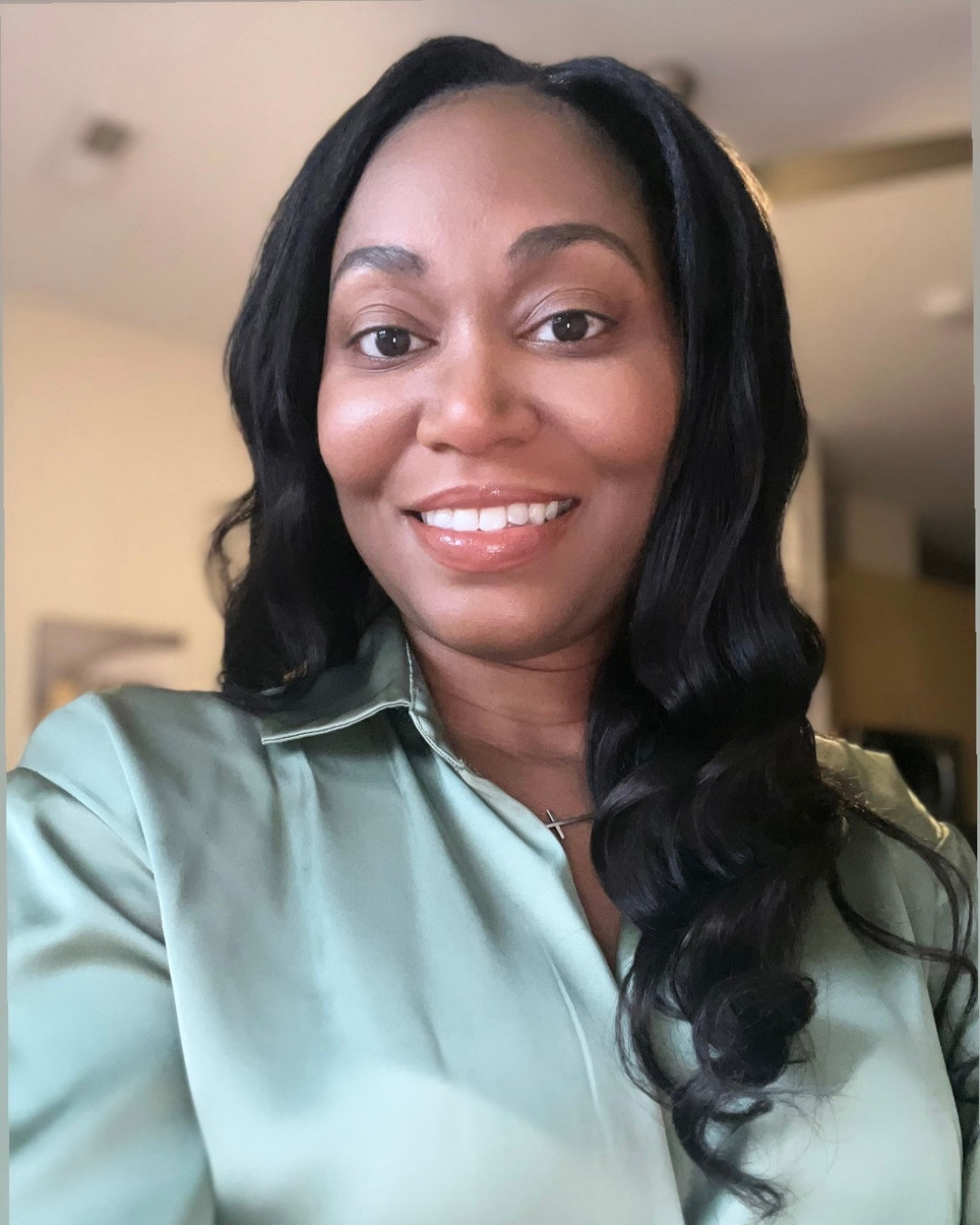
Ariel Liddell (she/her) is a youth development leader committed to expanding equitable opportunities for young people. With a Master’s in Children’s Law and Policy, which shapes her commitment to bridging…
Read MoreCourtney La’Tonica
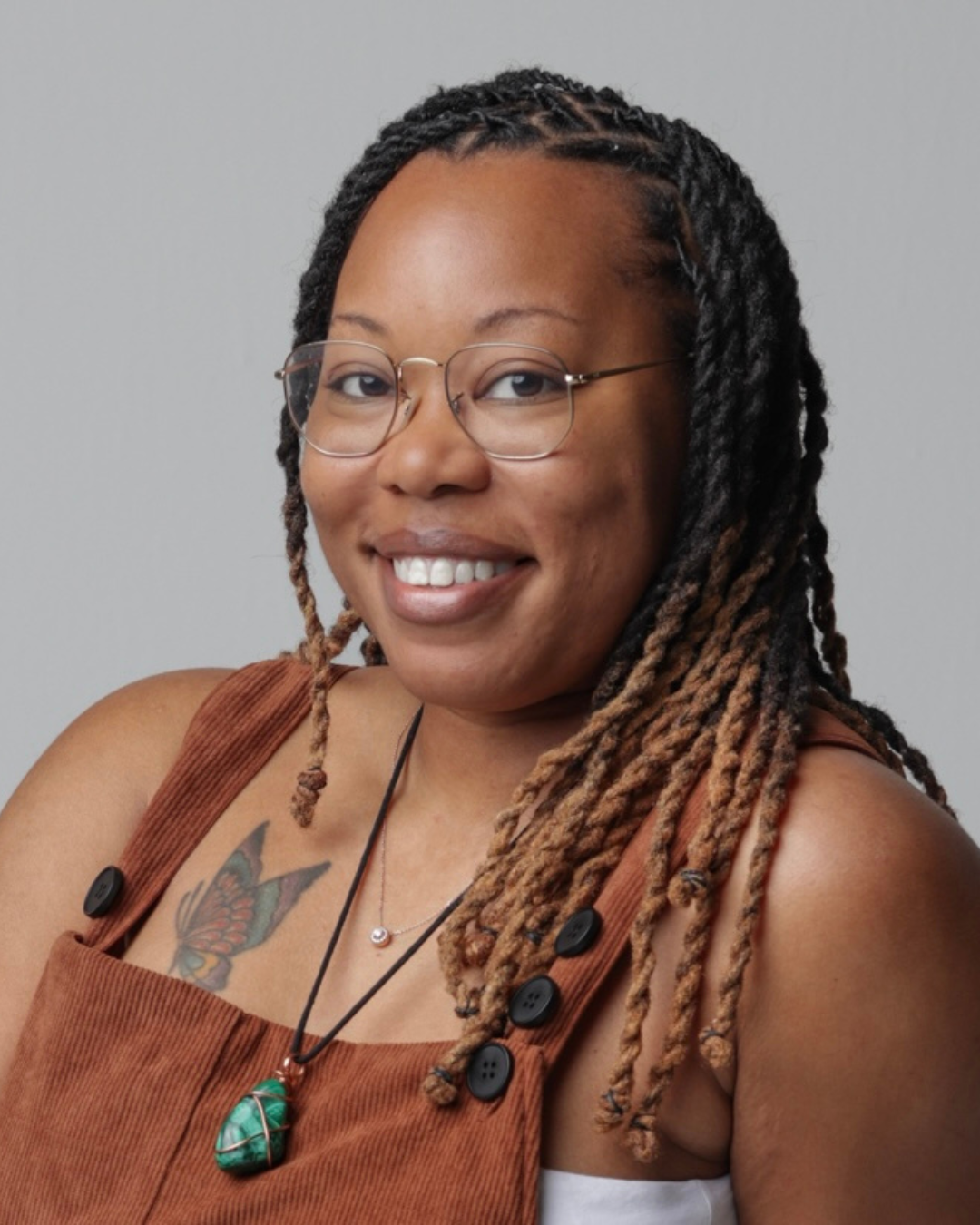
Courtney La’Tonica (she/her) is the Director of Operations and Programs at Sowing Seeds into the Midlands in Columbia, SC, where she works closely with justice-involved youth. Her work is rooted…
Read More
Marvin Bing
Marvin Bing (he/him) is the Founder of Kyndred, a five-pillar platform built to redesign America’s child welfare and juvenile justice systems through organizing, creativity, and systemic change. Kyndred creates a fraternity for young people navigating those systems, as well as the alumni and survivors who came before them. His authority is not theoretical: Marvin grew up in foster care, became justice-involved as a young person, aged out of both systems without a family or safety net, and transformed what the system intended as an ending into what he calls “unassailable expertise”—the irreplaceable knowledge of someone who lived inside the machinery and came out the other side knowing exactly what must change. Mentored by political titans Bill Lynch and Dr. Hazel Dukes, he has spent over two decades leading national movements at the NAACP, AFL-CIO, and Amnesty International USA, pioneering initiatives such as Manifest Justice and Art For Rights that established art, storytelling, and credible messengers as frontline tools for justice. Through Kyndred, Marvin is building the infrastructure he never had so that every young person aging out of foster care or returning from the juvenile justice system walks into a room full of open doors.
LV (Lord-Vincent) Crutcher
LV (Lord-Vincent) Crutcher (he/him) is the Founder of The Namaste Collective, a healing-centered wellness and education organization based in Portland, Oregon. Drawing from his own experience navigating foster care and youth-serving systems, LV brings over a decade of direct practice across child welfare, juvenile justice, emergency shelter, and forensic interviewing. That experience shaped a clear conviction. The adults and institutions in a young person’s life matter just as much as the young person themselves. Through The Namaste Collective’s flagship program, Black Boy Namaste, he works with youth ages 10–17 using somatic awareness, cultural grounding, and restorative practice to build environments where young people are fully seen and supported. LV believes the most effective expertise in youth justice comes from those with firsthand knowledge of the system, and he brings that depth alongside professional rigor to create lasting change.
Jeremy Page
Jeremy Page (he/him) is the Justice Reform Program Manager at the National Institute for Criminal Justice Reform, where he coordinates communication, technical assistance, and training for juvenile justice initiatives while supporting local and national advocacy efforts.
Jeremy is a passionate leader committed to moving the needle on criminal and juvenile justice reform, with a particular dedication to system-impacted youth. Over the past decade, his advocacy career has spanned the child welfare system, system-impacted adults and youth, and individuals affected by mental health and substance use concerns — experiences that have shaped his philosophy around prevention, intervention, alternatives to incarceration, and reducing recidivism.
Before joining NICJR, Jeremy served as an Operations Manager for the Ohio sites of The Bail Project (TBP). There, he led two teams that secured the freedom of over 2,000 individuals detained pretrial in Ohio, while coordinating wraparound services to support court return and case closure. He leveraged qualitative and quantitative data to encourage stakeholders to shift cash bail practices and worked directly with the Ohio Legislature to advocate for statewide bail reform.
Jeremy holds a Bachelor of Arts in Criminal Justice with a concentration in Social Work from Northern Kentucky University and a Master of Science in Criminal Justice Policy and Leadership with a concentration in Juvenile Justice from Eastern Kentucky University. He is a graduate of the Urban League African American Leadership Development Program and a proud member of Alpha Phi Alpha Fraternity, Incorporated.
Jorge Gütirón
Jorge Gütirón (he/him/él) comes with over 10 years of experience in college access, student support, and educational advocacy. He currently works as a College Liaison, where he supports incarcerated and system-impacted youth in accessing higher education and building pathways toward long-term success. His work focuses on helping students navigate college enrollment, financial aid, academic planning, and systems that are often difficult to access without support.
Jorge has developed programs that expand college access for incarcerated and formerly incarcerated youth, with a strong commitment to educational equity and community-based support. In addition to his direct service work, he has played an active role in advancing California legislation, including AB 243, to remove barriers and create more equitable pathways to higher education for system-impacted students.
Through both his policy work and student-centered support, Jorge is dedicated to creating opportunities for young people who have too often been excluded from traditional educational pathways. In his free time, Jorge enjoys spending time with his community, curating art, and exploring creative ways to expand access to higher education and opportunities for system-impacted youth.
Anaum Virani
Anaum Virani (she/her) is a graduate of the University of Florida, where she earned a B.A. in Religion and Political Science. As a student, she held multiple leadership roles, including serving as a Student Senator and helping organize the largest student-run K-12 education policy conference in the state, alongside other campus involvements. Her professional experience spans several sectors of government, including work with the U.S. Department of State and a Congressional internship. At the Department of State, she supported international education and exchange programming with U.S. Mission staff and educators, expanding opportunities for students in underserved communities throughout South Asia. She considers her most formative undergraduate experience to be a two-year research project that took her across Florida to understand how non-governmental collectives shape the administration of justice for youth. She now works on the front lines of juvenile justice, engaging in high-impact decision-making with courts, community organizations, and youth, leading diversion and intervention projects that actively shape the trajectories of underserved and disengaged minors. In recognition of her work, she was selected as a John Robert Lewis Fellow in 2026, an honor awarded to emerging leaders committed to public service and moral leadership.
Darian Appleton
Darian Appleton (she/her) is a passionate leader and youth justice advocate with experience in integrated behavioral health, program development, and project management. Drawing on her academic background in criminology, psychology, and public health, she brings a multidisciplinary lens to the work of addressing complex, intersectional issues and dismantling systemic inequities through youth-centered, community-driven solutions. She has led and supported initiatives that elevate the voices of youth with lived experience by facilitating leadership development and cross-sector collaboration, ensuring young people are not just recipients of services or program participants, but engaged as active partners in improving the systems that serve them. Her approach is grounded in authenticity, relationship-building, and a deep commitment to understanding social determinants and strengthening the structural conditions that shape outcomes. Darian is intentional about creating spaces where youth feel empowered to lead and is especially energized by opportunities to translate research into practice. Outside of her professional work, she enjoys curating the perfect playlist, exploring nature, and shopping for new finds that express her personal style.
Beatriz Batres
Beatriz Batres (she/her) is a community organizer and immigrant rights advocate with nearly a decade of experience advancing campaigns to end immigrant detention in the United States. A former asylum seeker and detention survivor, she brings critical lived experience to her work in grassroots organizing, coalition-building, and advocacy for systemic change. Since 2021, she has worked as an organizer with La ColectiVA, supporting statewide campaigns such as ICE Out of Arlington and ShutDown Farmville as part of the Free Them All VA coalition. In addition to her organizing work, Beatriz is an experienced trainer and curriculum developer, collaborating with national networks and institutions to strengthen advocacy efforts on detention and deportation defense. Her work centers on building collective power, advancing community-led solutions, and supporting movements for immigrant justice.
Cierra Chenier
Cierra Chenier (she/her) is a Black New Orleans writer, historian, and Strategic Storyteller at Louisiana Center for Children’s Rights. At LCCR, she leads narrative change efforts to combat harmful perceptions of Black youth and to emphasize society’s responsibility to its children. The organization’s first narrative campaign, #ItTakesAVillageNOLA, calls on “The Village” to recognize that just as New Orleans was worth rebuilding after Hurricane Katrina, the city’s youth are worthy of the same grace, healing, and investment to carry New Orleans into the future.
She is driven by a deep belief in the power and potential of young people as “extensions of ourselves and our collective futures.”
Through her writing and storytelling, Cierra connects New Orleans’ past to its present and future, exploring themes of freedom, enslavement, resistance, displacement, environmental injustice, and preservation. Her work includes the globally cited, digital platform NOIR ‘N NOLA, writing ESSENCE Magazine’s 20th Anniversary Hurricane Katrina cover story, featured publication in the Smithsonian’s National Museum of African American History & Culture, and authoring two Louisiana State Historical Markers.
Ariel Liddell
Ariel Liddell (she/her) is a youth development leader committed to expanding equitable opportunities for young people. With a Master’s in Children’s Law and Policy, which shapes her commitment to bridging direct service and systems-level change, her work centers on connecting youth to meaningful pathways through programs that integrate career readiness, education and community-based learning. She currently serves as Director of Workforce Development at a Baltimore-based nonprofit, where she oversees workforce development initiatives serving youth ages 14–24 and collaborates with cross-sector partners to strengthen pathways in the arts, employment and entrepreneurship. Ariel’s approach is grounded in the belief that young people thrive when they have access to both resources and supportive environments that affirm their potential and honor their voice.
Courtney La’Tonica
Courtney La’Tonica (she/her) is the Director of Operations and Programs at Sowing Seeds into the Midlands in Columbia, SC, where she works closely with justice-involved youth. Her work is rooted in both lived experience and what she sees young people presently navigating. She co-creates spaces where accountability is not about punishment, it’s about skill-building, responsibility, and being given the chance to do something meaningful. As a person who had contact with the justice system as a child she knows first hand how important these opportunities are for the youth we serve.
She is currently the main caregiver for Skylar’s Garden, a youth-built community garden program at Seeds. In Skylar’s Garden teens learn how to grow food, slow down, work with intention, and take pride in the fruits of their labor. Through both the garden and community disaster relief projects, she supports youth in completing community service hours and paying their restitution in ways that build confidence and real-life skills.
Courtney believes young people deserve environments where they are supported, not just managed. As a Youth Justice Leadership Institute Fellow, she is focused on growing community-led alternatives that allow youth to repair harm, gain opportunity, and be seen as capable of more.
Testimonials
NYJN’s Youth Justice Leadership Institute provides a community of long-lasting support for advocates of color working in the movement for youth justice and broader social change. Hear what YJLI alumni have to say about the program:
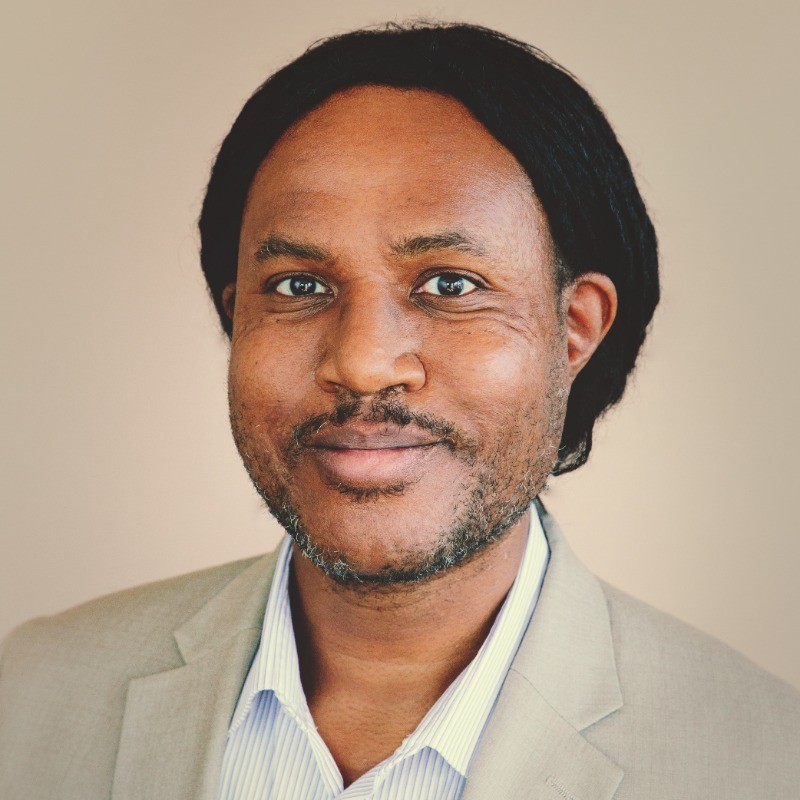
“The Youth Justice Leadership Institute was my introduction to the national youth justice reform movement. That experience, and the fellowship that I continue to have with the YJLI alumni network, have supported my professional/personal growth as an advocate for youth justice system reform.”
“One of the things YJLI did for me was that it brought me to understand that I could be a leader toward justice reform. It also allowed me to connect to other people and really elevated my leadership as it pertained to being in rooms with leaders making decisions about Black and Brown bodies.”
“YJLI absolutely catapulted my career. I don’t have a Masters degree. I credit my progress to the fellowship distinguishing me alongside powerful alumni. It does the same thing that going to Harvard or Yale does.”
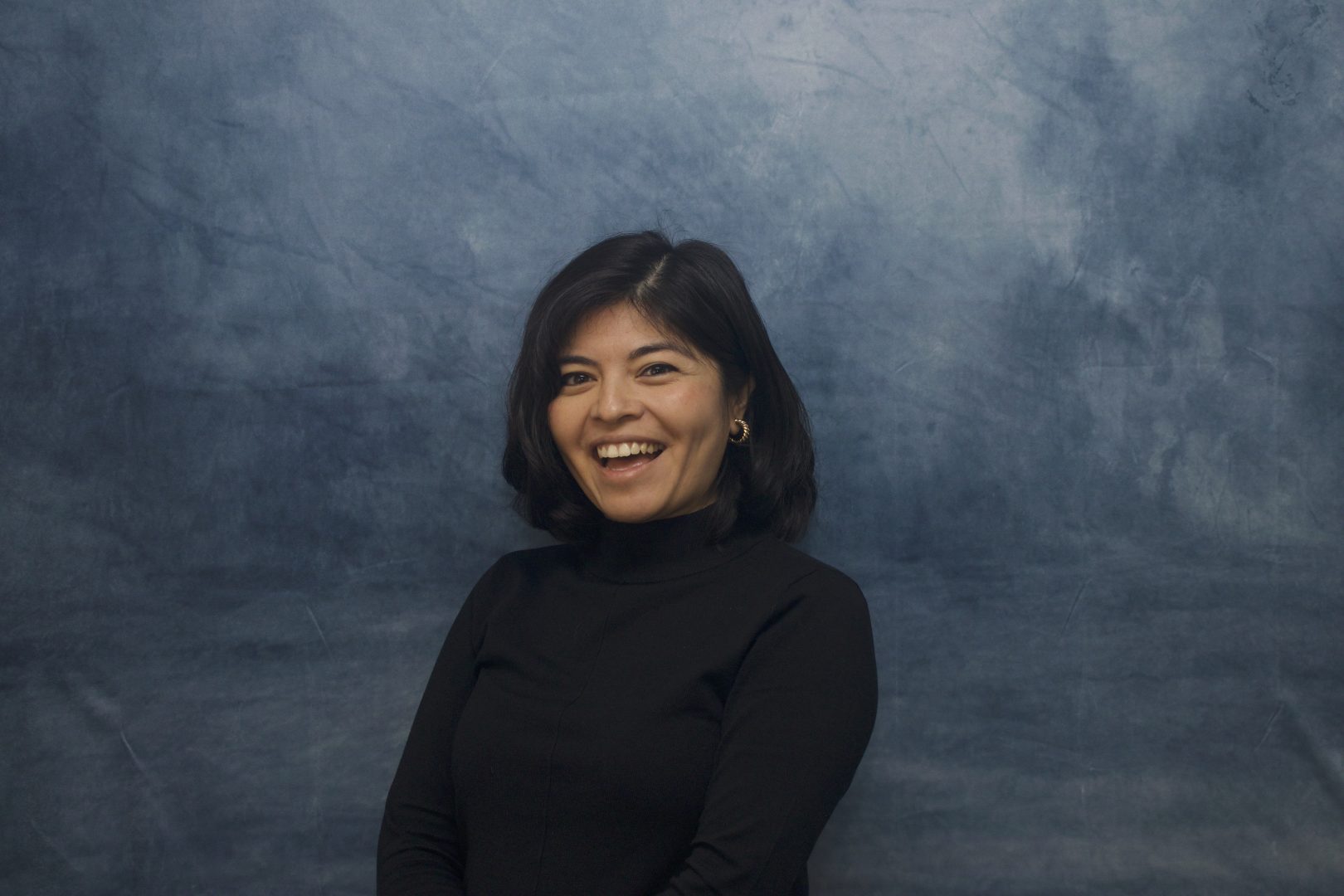
“YJLI is the community of leaders I needed to advance youth justice at home and across the country. My cohort and I leaned on one another to learn about best practices in our current work and also think outside the box of what a youth justice system that addresses root causes of violence and centers healing could look like for young people today.”
“The Youth Justice Leadership Institute was a life and career changing experience for me. I applied for a fellowship and gained an extended family. The fellowship pushed me out of my comfort zone and required me to stretch and take up space in a way that is not only inherent in leadership, but required. ”
“The Youth Justice Leadership Institute offers you the tools needed to move your work forward from a place of love, compassion, empathy, and justice. The experience of YJLI has allowed me to find my voice and has elevated my understanding of what is needed to transform the systems that have caused hurt to communities of color.”
“Participating in the YJLI was an amazingly unique experience that words truly cannot explain. The program curriculum and activities have been instrumental in my professional development and success. However, it was the family that I gained during my year-long fellowship that I cherish the most. These relationships have remained steadfast over the test of time and distance. Being a YJLI Fellow was life-changing for me.”
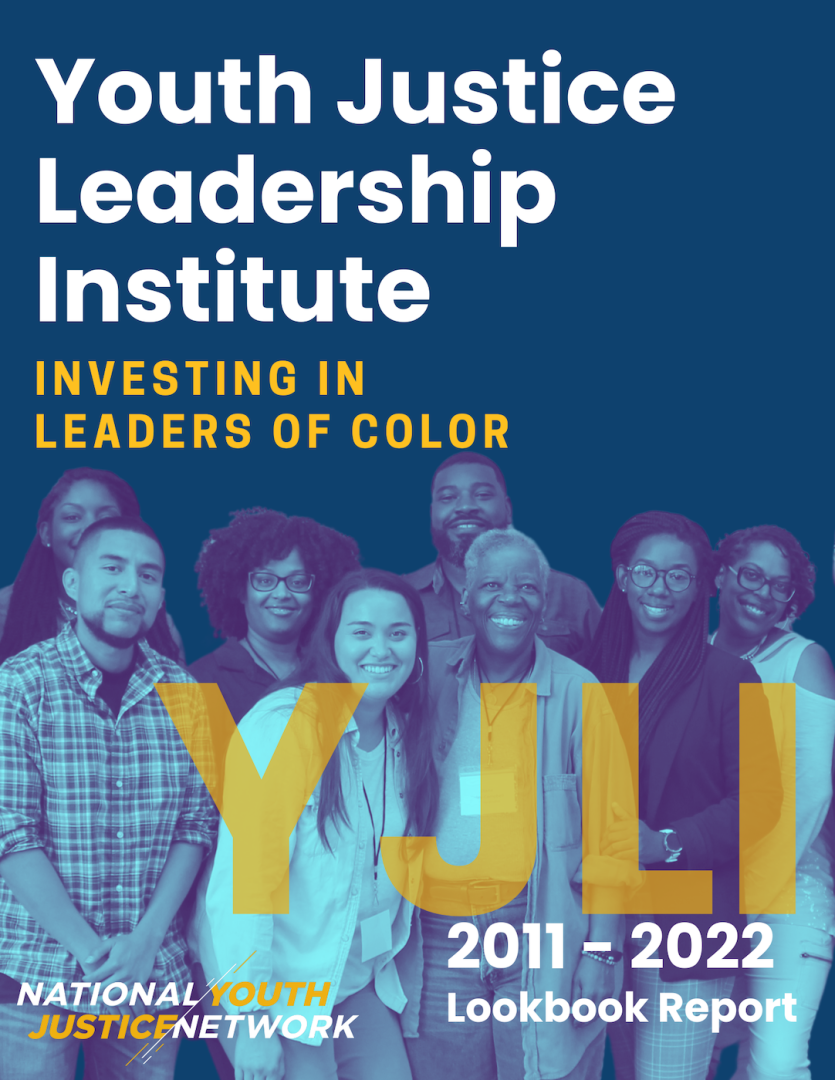
Youth Justice Leadership Institute: Investing in Leaders of Color, Alumni Lookbook
NYJN established the Youth Justice Leadership Institute (YJLI) in 2011 to deepen and strengthen the leadership of Black, Indigenous and other People of Color (BIPOC) advocates working to create true youth justice. Download our YJLI alumni lookbook and join us in celebrating over a decade of transformative leadership development.